SIR WALTER DNA CERTIFIED ON SALE $13.95 PER SQM, RRP: $15.95
Lorem Ipsum is simply dummy text
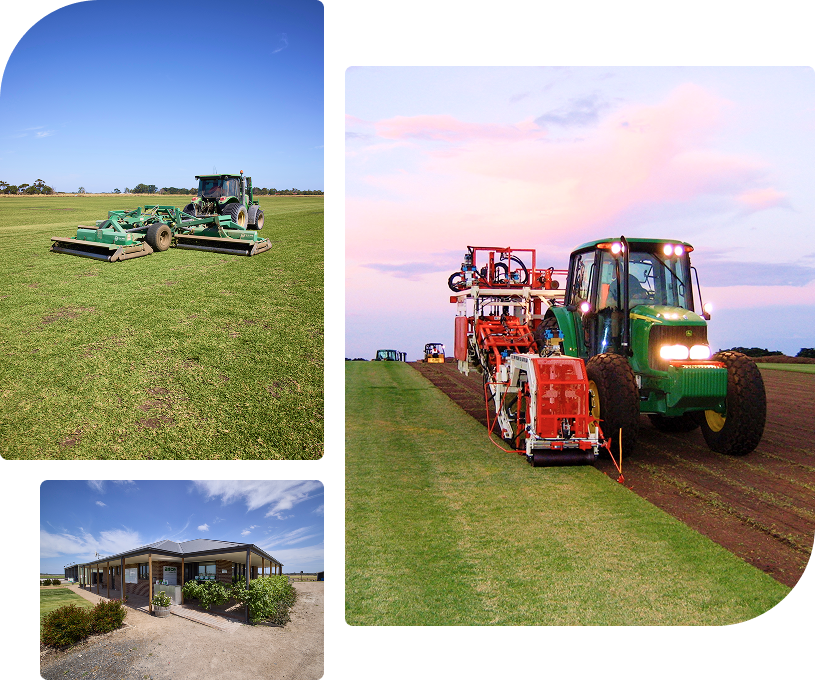
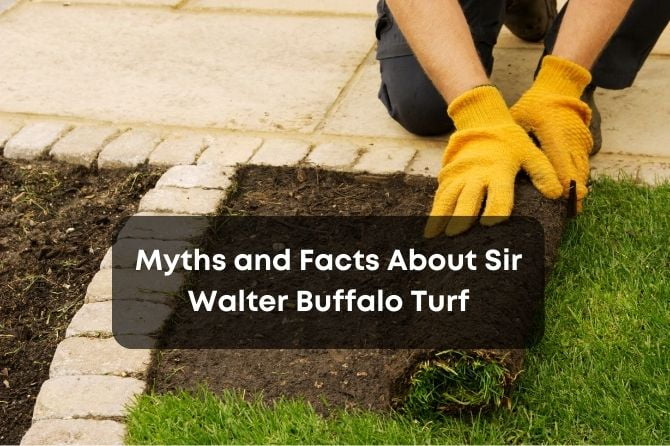
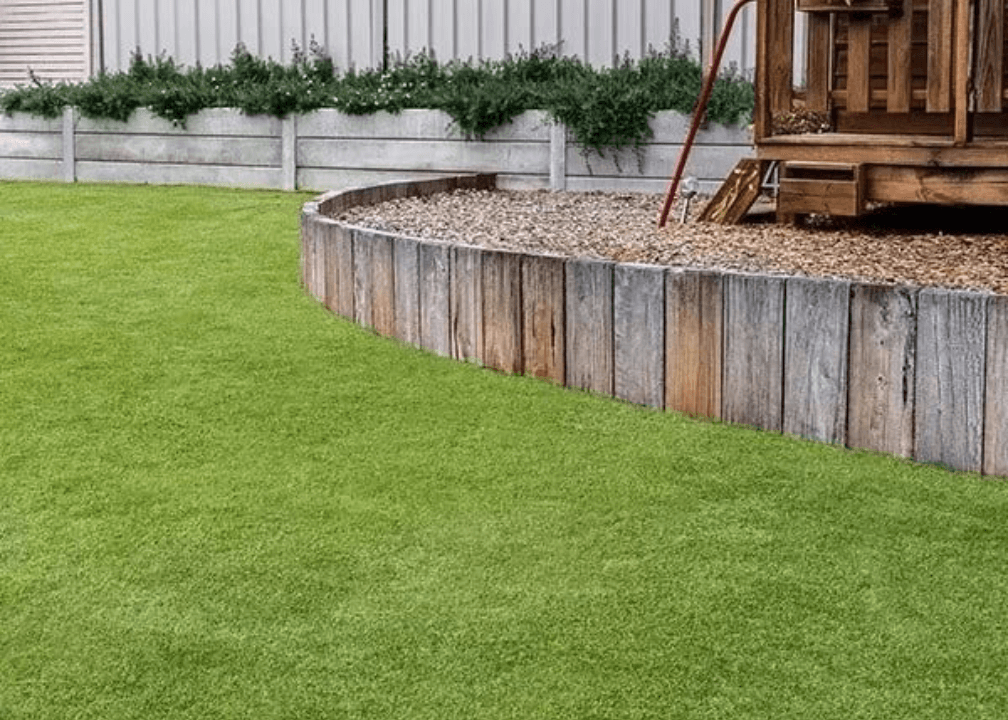
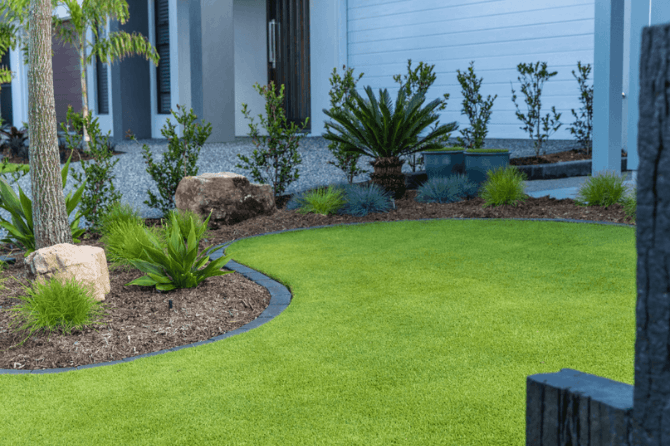
Proven to be one of the top selling lawn varieties in Melbourne and Australia wide is the DNA Certified Sir Walter Buffalo Lawn. With many known benefits, like resilience to drought, weeds, pests and harsh climates, cheap imitations of the Sir Walter brand are leaving many homeowners, business owners and landscapers disappointed
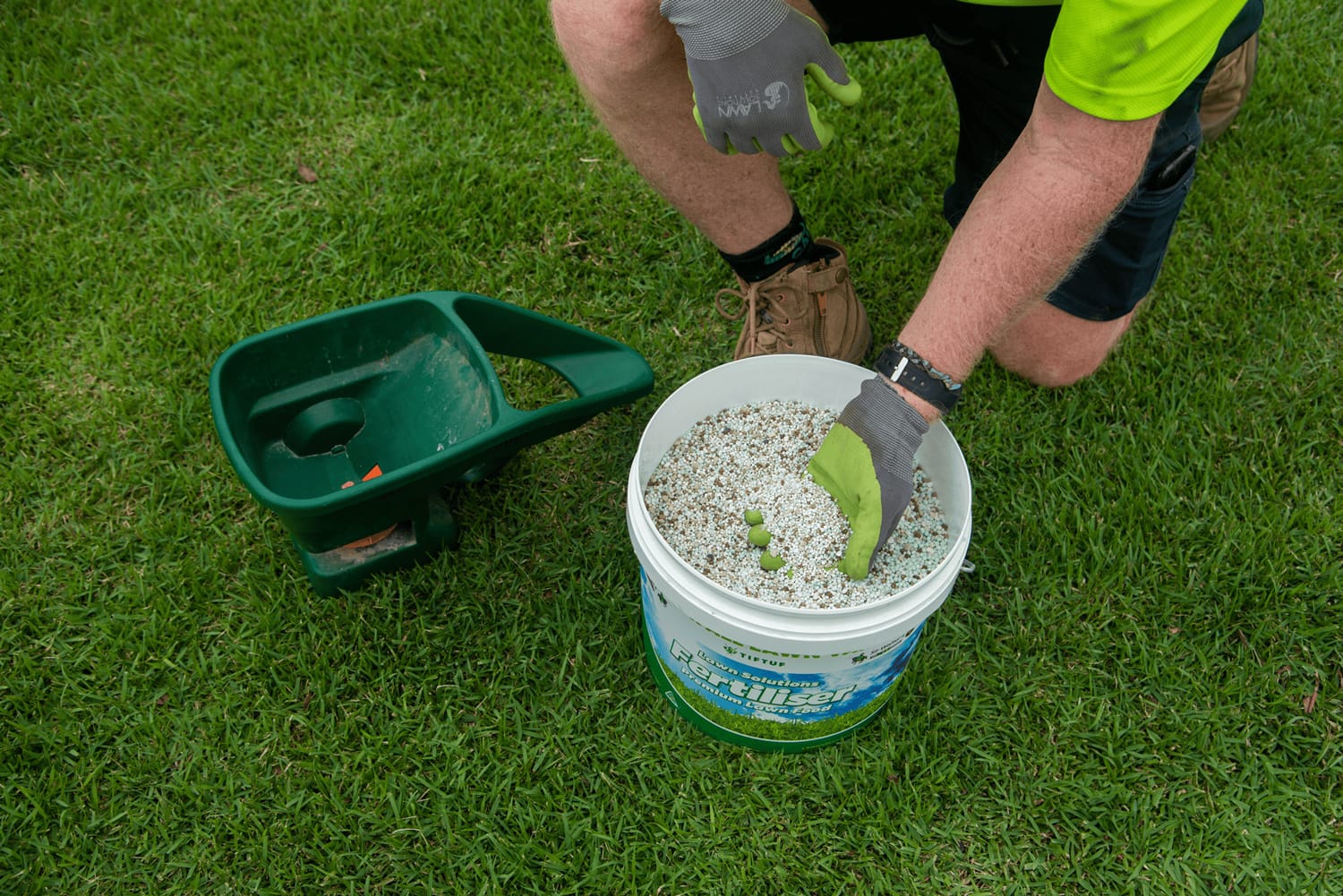
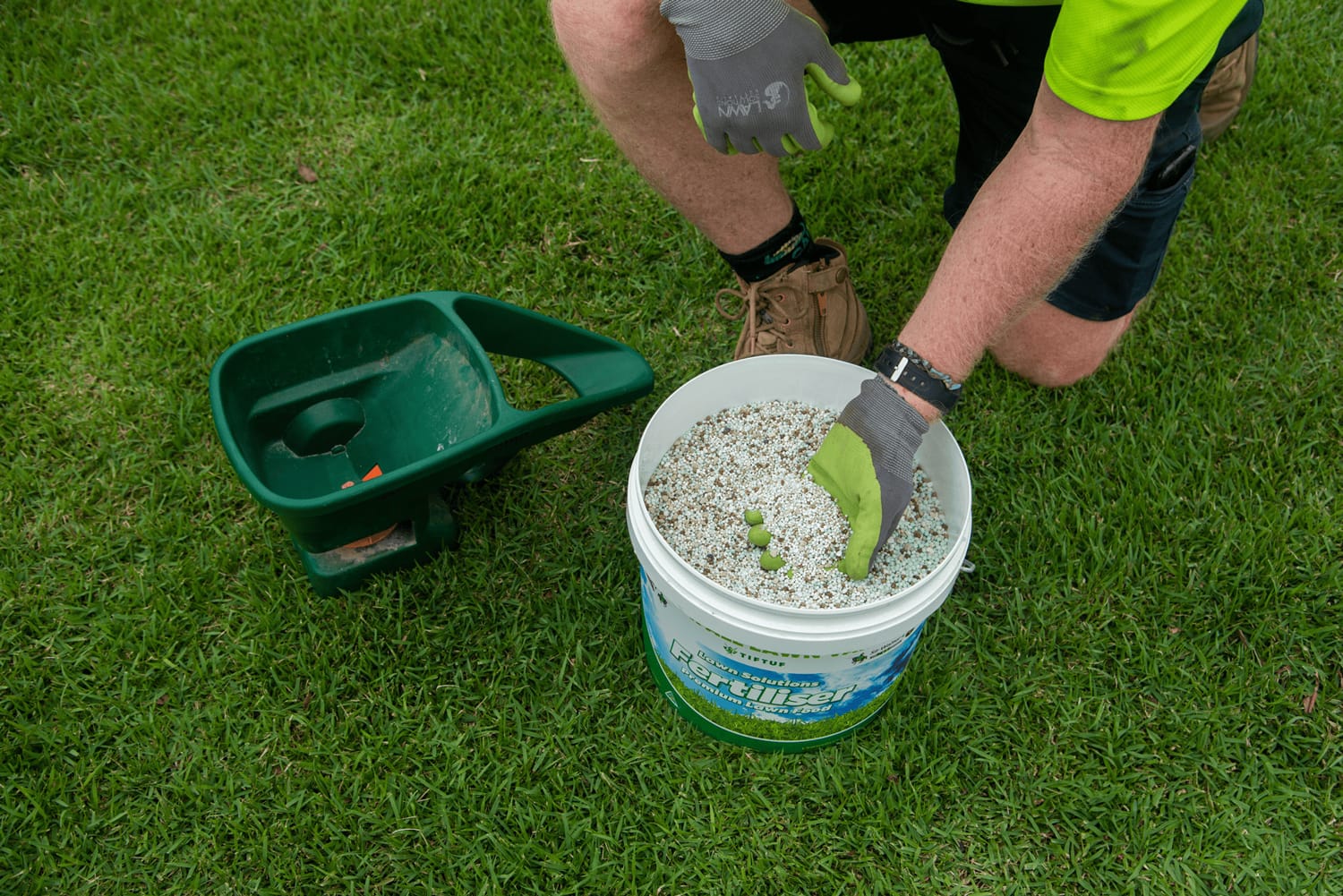
Granular types. The most common type of Lawn fertiliser granular types are easy to spread and supply nutrients to the plant rapidly.
Liquid types. Liquid fertilisers, when applied correctly and at the label, rate can be useful in avoiding leaf burn that sometimes occurs with granular types that are not applied evenly and watered in well.
Slow Release. Slow-release fertilisers, as the name implies, release their nutrient component slowly and continue to do so until the prill has completely dissolved.
Controlled release. These release nutrients when needed and activate when temperatures and moisture are at the correct level for release. They are usually more expensive however, as with the slow-release fertilisers, the trickle effect of slowly releasing nutrients ensures the grass plant has what it needs in nutrition and is not bombarded. Although more expensive, the runoff and wastage of nutrient is less and can work out to be cheaper in the long run.
Organic – Organic fertilisers improve soil structure where and when necessary. They are usually quick-release, and their benefit from a nutrient perspective is short-term.
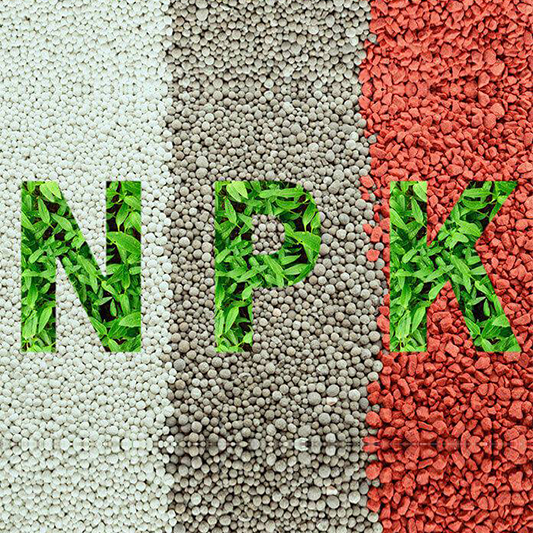
Fertilizer packaging will have the letters NPK on the container. Each letter is followed by a number indicating the ratio of the three key elements it contains. N stands for Nitrogen, P is phosphorus, and K is Potassium. These three elements are the major components of most lawn fertilisers, and the ratio of each element is designed specifically for lawn fertilizer applications.
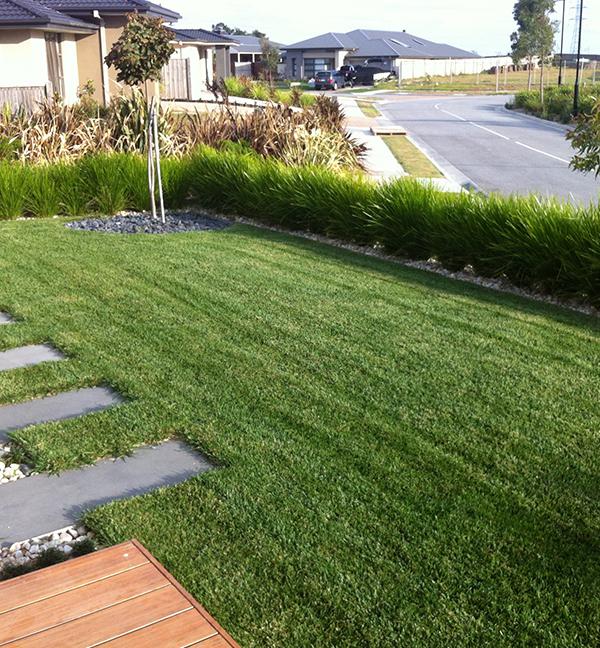
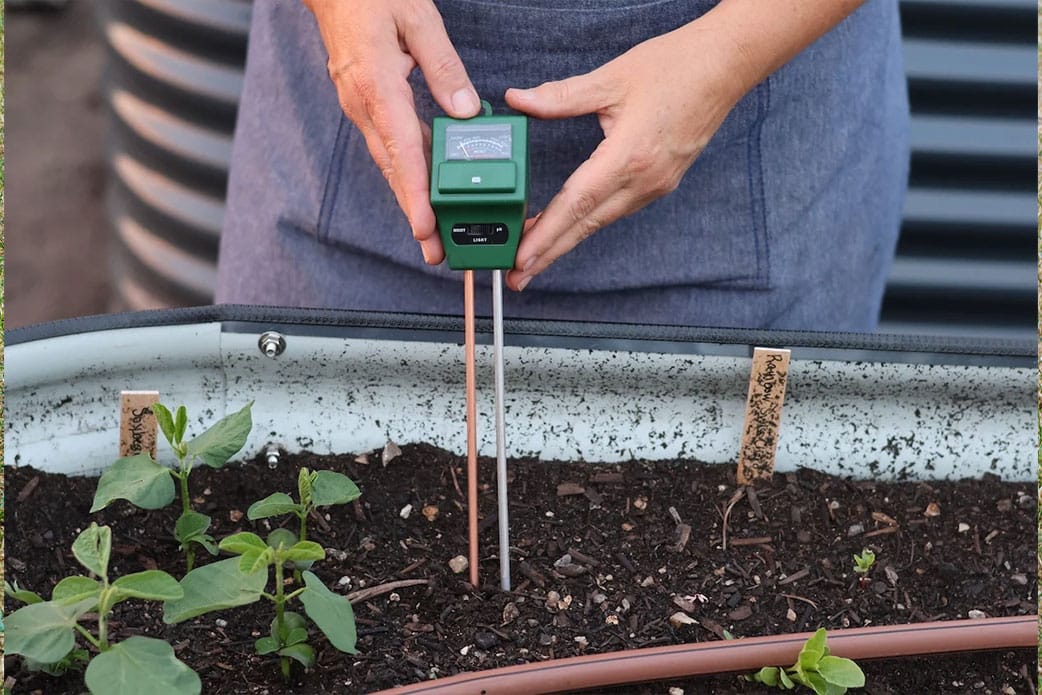
Most lawns will need to be fertilized at some stage as nutrients in the soil are used to produce new leaves and roots. Your soil type will determine the frequency that you need to apply fertiliser. Sandy soils leach nutrients faster than clay and heavy soils do and will need regular top-ups. Slow-controlled-release fertilizer types are ideal for sandy soils.
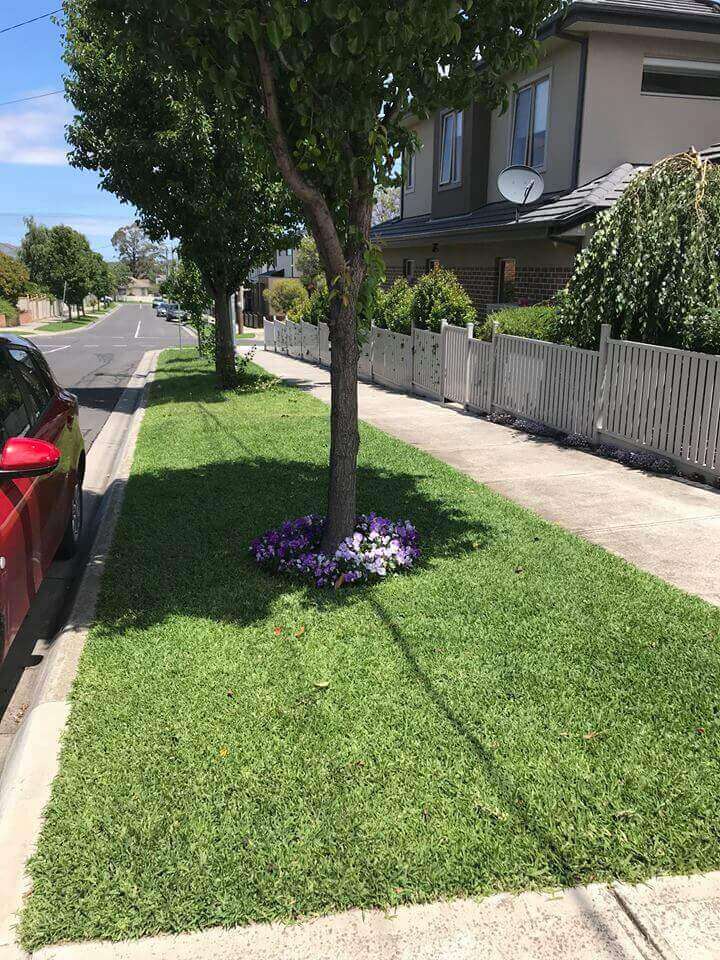
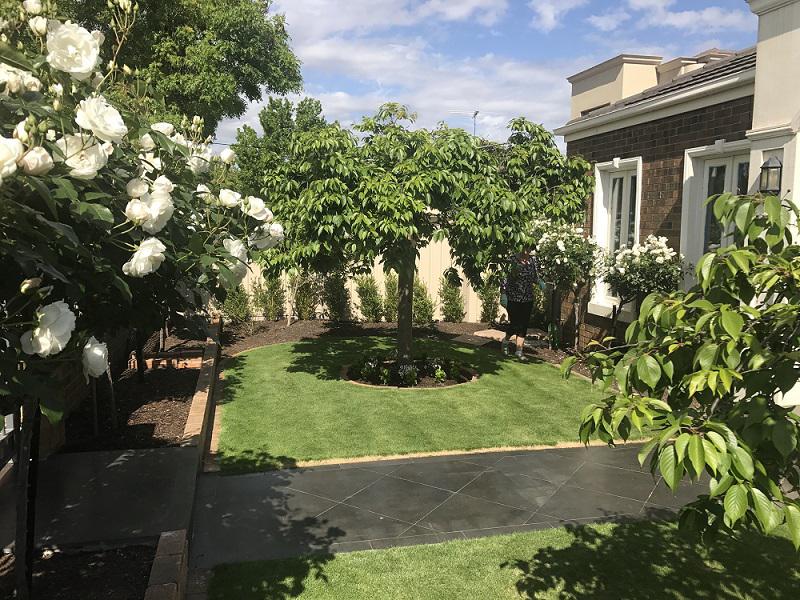
Granular, Liquid and slow-release fertilisers with a high Nitrogen component are essential for leaf growth and health. Use products such as Anco Vigour Lawn food at the start of Spring, Summer and autumn to keep the lawn active and green. Grasses such as DNA Certified Sir Walter, TifTuf couch, and Kikuyu all benefit from a late-march application of a Complete fertilizer with a more even NPK Ratio than Lawn Food. Lawn Starter fertilizer is ideal for use in late March for these grasses as it improves root development and helps the plant over winter.
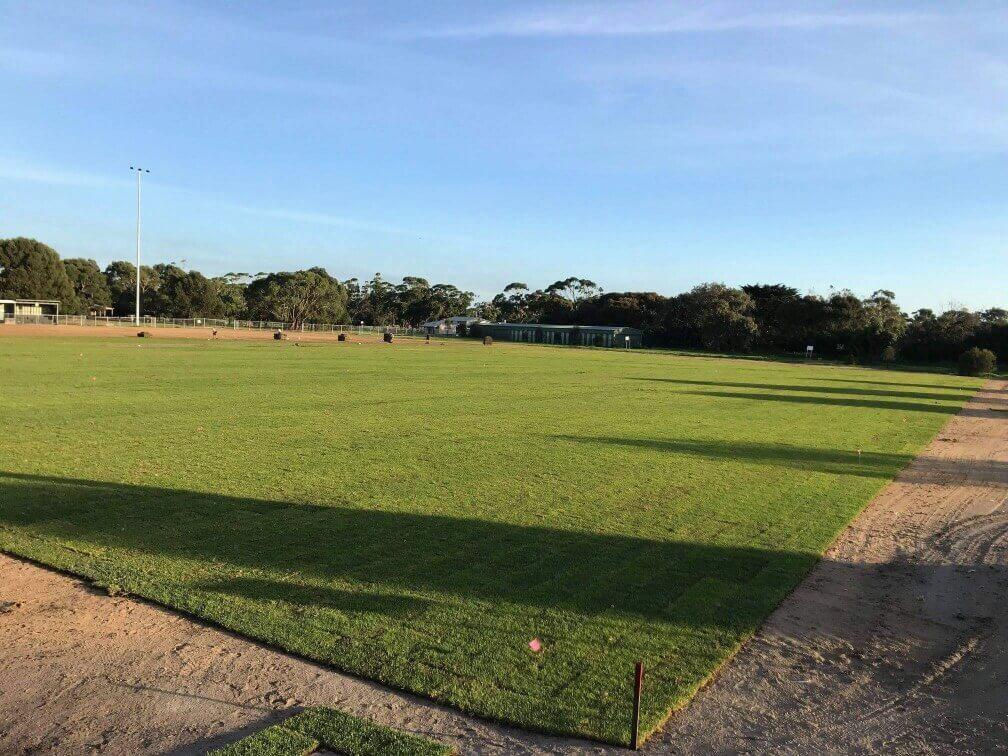
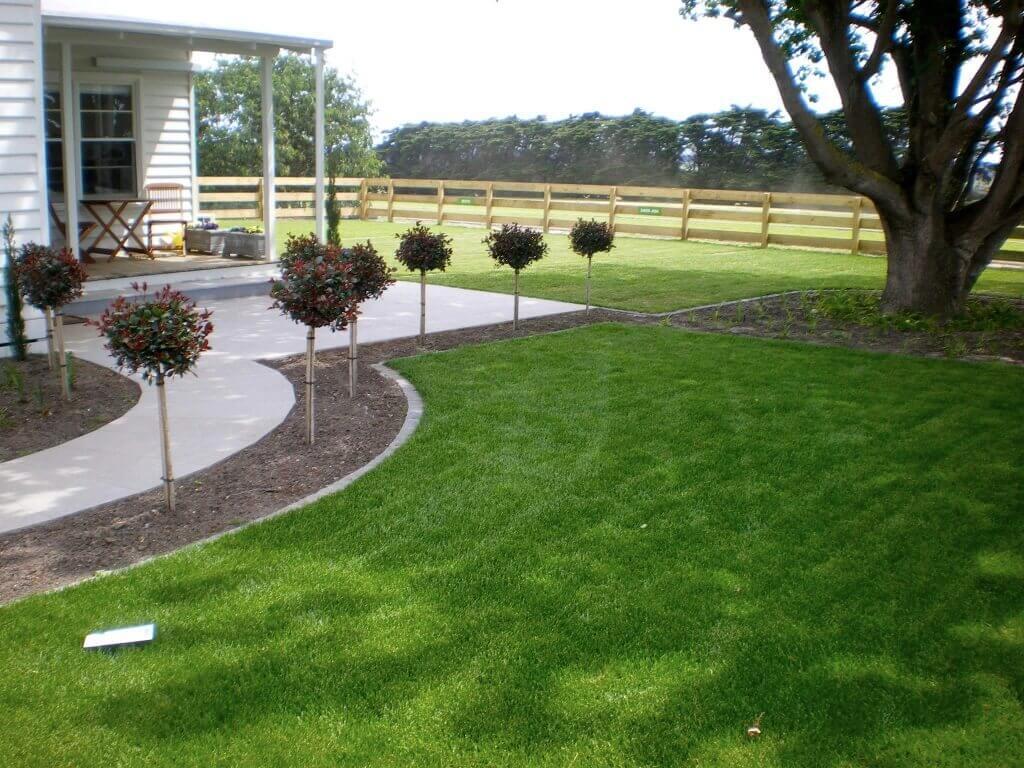
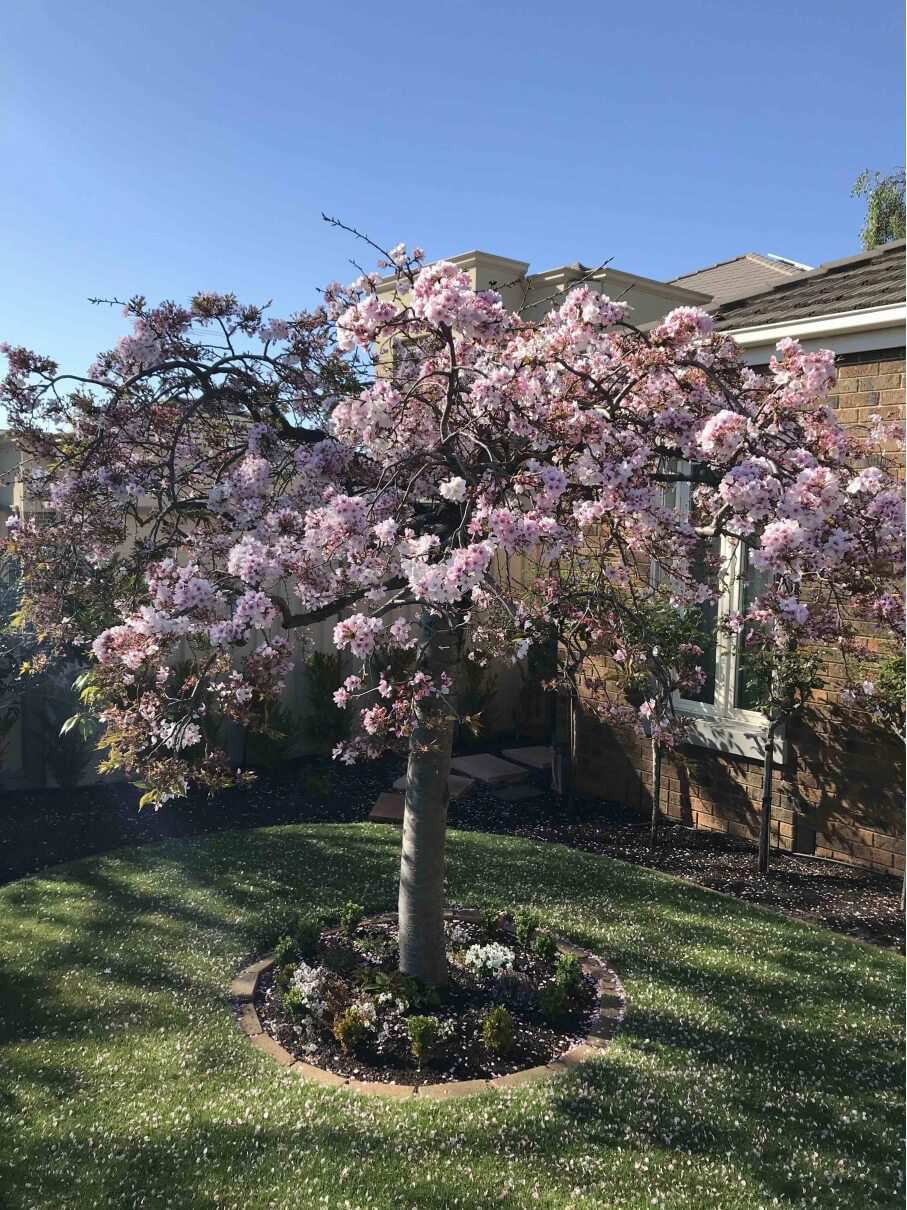
Bring your lawn out of its winter dormancy with a dose of Lawn Food in September. The extra Nitrogen in the lawn food will encourage new leaf growth and a general green up after the cold of winter.
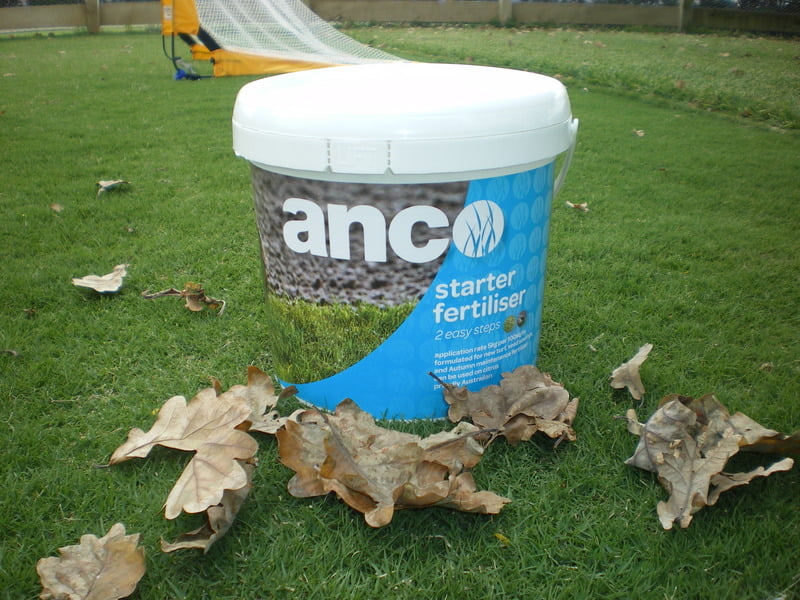
Anco Turf offers a wide range of lawn fertiliser products to keep your lawn healthy all year round. Click on Buy Lawn Fertilizers Online button below and to check out our range of lawn grass fertilisers.
Loading combined reviews...

Get the latest news and offers delivered to your inbox
 5175 S Gippsland Hwy, Lang Lang VIC 3984, Australia1350 Surf Coast Hwy, Torquay VIC 3228, Australia1 Woorinen-Vinifera Rd, Woorinen South VIC 3588, Australia


© [YEAR] Anco Seed and Turf Pty Ltd. Built & Managed by Sharp Instincts